
OpenClaw, OpenAI, and What Accelerates From Here
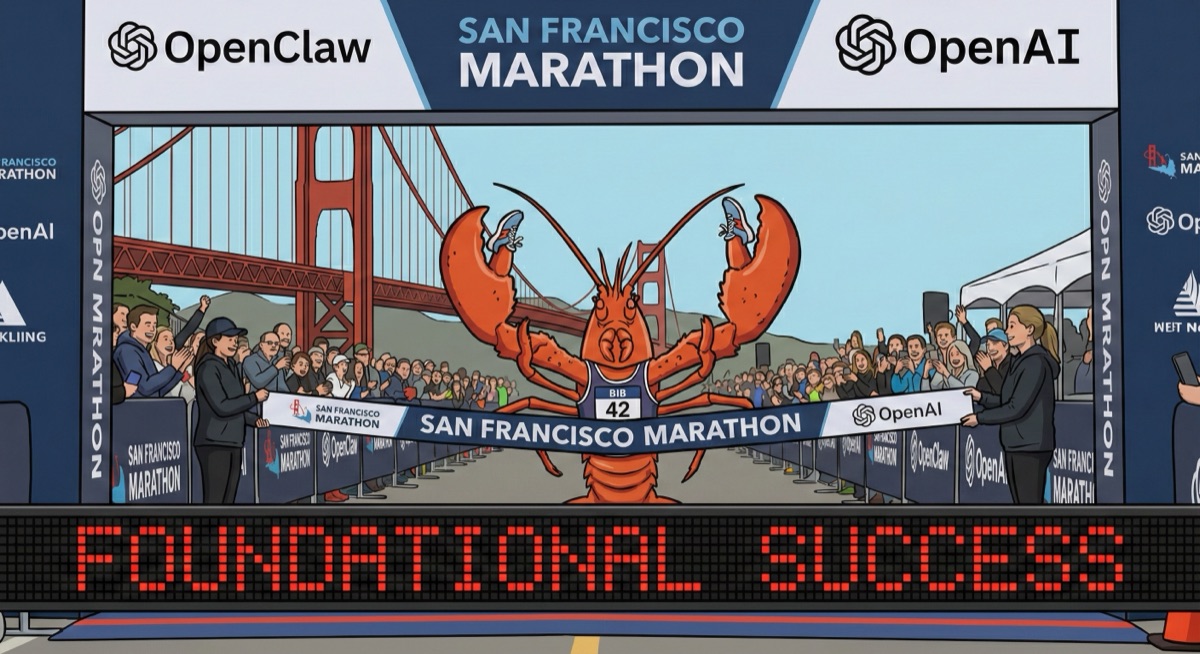
Peter Steinberger’s move to OpenAI and OpenClaw’s transition to a foundation structure signals a critical inflection point: agent infrastructure has shifted from experimental to essential production software.
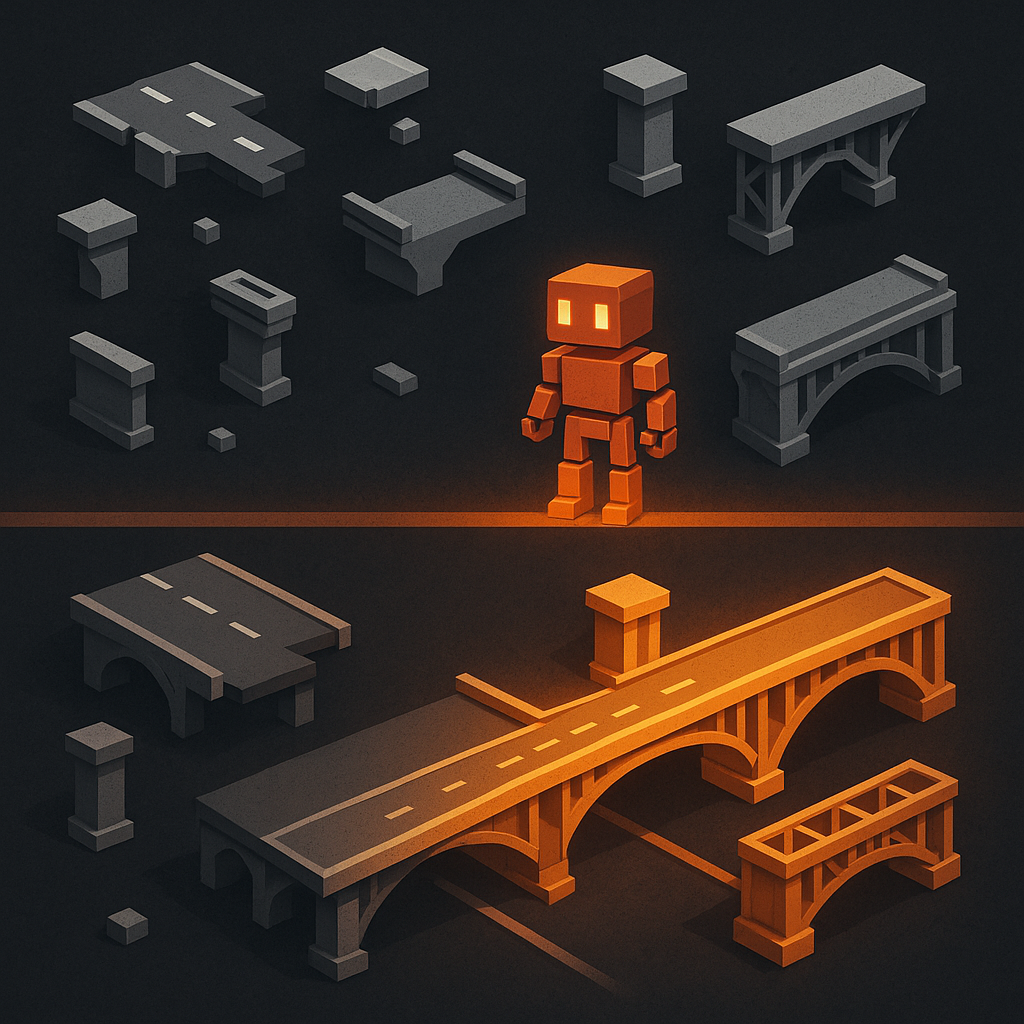
The Infrastructure Layer Matters Most
Agent infrastructure — not flashy user interfaces — represents the true competitive moat. Teams that solve identity, credential isolation, audit trails, and secure agent-to-agent handoffs will dominate. The experience layer will get commoditized. Everyone will be able to build a pretty agent interface.
Multi-Agent Architecture Is Immediate, Not Future
Builders should design for non-human consumers today. Agents already consume APIs without onboarding flows, hitting endpoints at production scale. This requires rethinking auth, pricing, and rate limits from inception — not as a future consideration.
The Window Is Open
The window for building agent infrastructure didn’t close — it became visible. Peter Steinberger proved the category viable, solving what every startup faces: demonstrating market existence. Founders with conviction about specific infrastructure corners (execution sandboxes, observability, protocols) enter at an optimal moment.
Practical Implications
Rather than treating infrastructure as secondary plumbing, builders should recognize it as the primary product. Historical precedent suggests the monetization follows genuine adoption — much as cloud computing’s value eventually crystallized around reliability and billing at scale.
The question isn’t whether agent infrastructure matters. The question is who gets there with the right defaults before the market locks in. Clowd.bot is one answer to what that looks like in practice.
Agent infrastructure is the foundational layer that makes AI agents operational in the real world: identity (who the agent is), credentials (what it can access without exposing keys), payments (how it transacts autonomously), audit trails (what it did and why), and secure handoffs between agents. It's the plumbing that makes the experience layer possible — and the durable competitive moat in agent software.
npx atxpGive your agent production-grade infrastructure — identity, payments, and tools — before the market locks in its defaults. What is an agent account? → · How to connect your agent →
Frequently asked questions
What does Peter Steinberger’s move to OpenAI signal for agent infrastructure?
It signals that agent infrastructure has crossed from experimental to essential production software. When a significant open-source agent project gets absorbed by a frontier AI lab, it demonstrates the category’s viability and opens the field for specialized infrastructure builders.
Why is infrastructure — not UI — the competitive moat in agent software?
The experience layer gets commoditized quickly — anyone can build a good interface. The durable advantage goes to teams that solve the hard underlying problems: agent identity, credential isolation, audit trails, and secure agent-to-agent handoffs.
What does “designing for non-human consumers” mean in practice?
It means building auth, pricing, and rate limits from the start with agents as first-class consumers — not as an afterthought. Agents hit endpoints at production scale without onboarding flows, so infrastructure that assumes human users will break.
Why did OpenClaw’s transition to a foundation structure matter?
A foundation structure separates the open-source project from any single commercial entity, reducing lock-in risk for builders who depend on it. It signals that the underlying software is infrastructure-grade — maintained for the long term rather than as a product feature.
What window does Steinberger’s move open for founders?
He proved the market exists — one of the hardest problems for early infrastructure startups. Founders with conviction about specific infrastructure corners (execution sandboxes, observability, billing protocols) can now enter at an optimal moment without having to argue the category exists.
What is Clowd.bot and how does it relate to OpenClaw?
Clowd.bot is a managed OpenClaw hosting service built by ATXP. It applies the agent infrastructure primitives ATXP has built — identity, pay-as-you-go billing, no API key management — to hosted OpenClaw deployments.