
Ben Thompson on OpenAI, Commerce, and Ads
Stratechery’s Ben Thompson and Stripe President John Collison held a 90-minute conversation at the Cheeky Pint discussing AI’s intersection with commerce. The discussion covered advertising in AI products, the development of agentic commerce, and structural changes affecting SaaS.
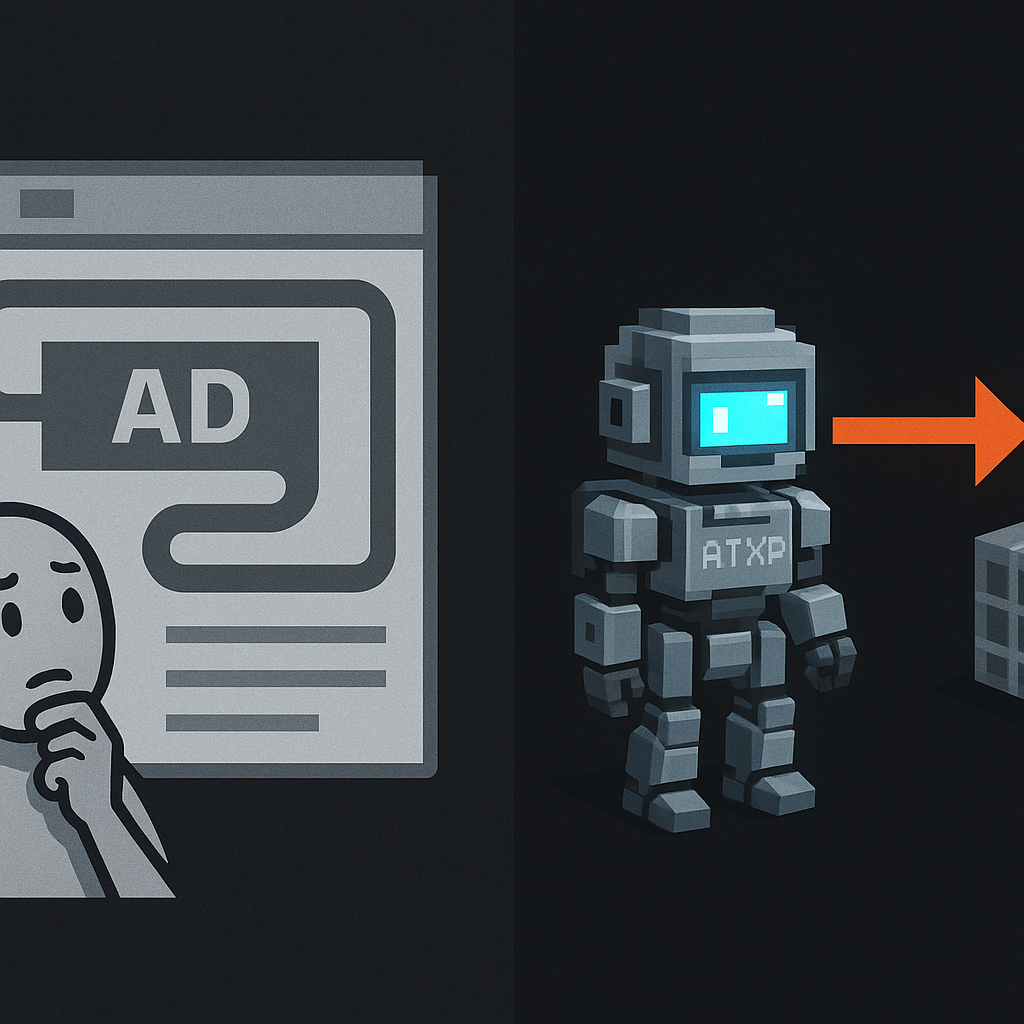
OpenAI’s Advertising Strategy Falls Short

Thompson critiques OpenAI’s approach to monetization through contextual ads in ChatGPT. When advertisements directly relate to conversation answers, users begin questioning answer reliability. He advocates for Meta’s model instead: develop comprehensive user understanding and display unexpected recommendations elsewhere.
Thompson’s recommendation for Google involves leveraging Gemini conversations for refined targeting across YouTube and Search, rather than placing ads within the AI interface itself. He emphasizes that OpenAI lacks the diversified surfaces needed for effective ad monetization.
Four Levels of Agentic Commerce
Collison outlined a framework with Thompson’s additions:
Level 1 — Task Execution. Users paste product URLs into ChatGPT requesting purchases without navigating unfamiliar websites.
Level 2 — Natural Language Discovery. Conversational product search replaces keyword-based limitations.
Level 3 — Preference Profiles. Systems accumulate user preferences over time through saved items and style boards.
Level 4 — Anticipatory Commerce. AI presents timely recommendations independent of user searches — for example, winter jacket suggestions before seasonal demand peaks.
Thompson notes Meta already executes this model effectively on Instagram through sophisticated customer acquisition algorithms. The infrastructure enabling Level 3 and 4 commerce — agent identity, usage-based execution, and payment rails — is what ATXP provides.
SaaS Transformation Underway
When asked whether SaaS faces existential threats, Thompson provides nuanced perspective. Core systems-of-record platforms won’t disappear, but traditional growth assumptions face pressure from two converging forces:
- Per-seat pricing models contract when company headcount shrinks
- AI enables smaller teams and self-serve alternatives
The transition from “growth company” to “stable business” triggers valuation adjustments regardless of maintained revenue.
The 2029 Chip Supply Crisis
Thompson identifies TSMC’s rational underinvestment in capacity expansion as problematic systemically. Despite post-ChatGPT demand, TSMC decreased capital expenditure for consecutive years. Agentic AI will require exponentially more computation than human-driven interactions, creating acute shortage risks by 2029.
His solution emphasizes developing Intel and Samsung as credible competitors — not altruistically, but economically. Preventing future chip shortages costs less than absorbing the resulting revenue losses.
Connecting Theme
Throughout the discussion, Thompson highlights recurring gaps between individually rational decisions and system-optimal outcomes. TSMC underbuilds rationally but collectively. OpenAI ships simpler ad products rationally but suboptimally. These tensions shape emerging technology landscapes.
Anticipatory commerce (Level 4 in Thompson and Collison's framework) is when an AI system presents timely purchasing recommendations or initiates transactions without a user prompt — drawing on preference profiles, behavioral signals, and contextual data like calendar events or inventory levels. It requires persistent identity, permissioned access to personal data, and payment infrastructure that can act autonomously within defined limits.
npx atxpBuild the infrastructure layer that makes Level 3 and Level 4 agentic commerce possible — agent identity, payments, and usage-based execution. Stripe’s 5 levels of agentic commerce → · Every agent payment protocol compared →
Frequently asked questions
Why does Ben Thompson think OpenAI’s ad strategy falls short?
Thompson argues that placing ads directly within ChatGPT answers causes users to question the reliability of those answers. He advocates for Meta’s model instead: develop deep user understanding from conversations, then monetize through well-targeted recommendations on other surfaces — not in the AI interface itself.
What are the four levels of agentic commerce Thompson and Collison outline?
Level 1 is task execution (agents buy things you specify), Level 2 is natural language discovery (describe what you want instead of searching), Level 3 is preference profiles (the system learns your tastes over time), and Level 4 is anticipatory commerce (recommendations appear before you search).
How does Thompson describe the threat to SaaS?
Per-seat pricing models contract when company headcount shrinks due to AI automation. AI also enables smaller teams and self-serve alternatives that compete with enterprise SaaS. The transition from growth company to stable business triggers valuation adjustments even without revenue decline.
What is the 2029 chip supply crisis Thompson identifies?
TSMC’s rational decision to underinvest in capacity expansion — despite post-ChatGPT demand signals — will create acute chip shortages by 2029 when agentic AI begins requiring exponentially more compute than human-driven interactions. Thompson argues the solution is developing Intel and Samsung as credible competitors.
What infrastructure does Level 3 and Level 4 agentic commerce require?
Agent identity, usage-based execution, and payment rails. These aren’t features layered on top — they’re the substrate that makes persistent preferences, autonomous purchasing, and anticipatory commerce technically possible at scale.
What is the connecting theme Thompson identifies across AI’s structural problems?
Individually rational decisions that are collectively suboptimal. TSMC underbuilds rationally. OpenAI ships simpler ad products rationally. Each decision makes sense in isolation but creates systemic fragility at scale.