
Stripe Machine Payments, Coinbase Agentic Wallets, and What Nobody's Building
Two significant product launches in early February 2026 reshaped how the industry should approach agent economics. Stripe Machine Payments introduced HTTP-level charging mechanisms, while Coinbase Agentic Wallets made agent wallet infrastructure practical. However, a critical gap remains: the layer where tool consumers and tool producers meet for paid execution remains underbuilt.
Why These Launches Matter
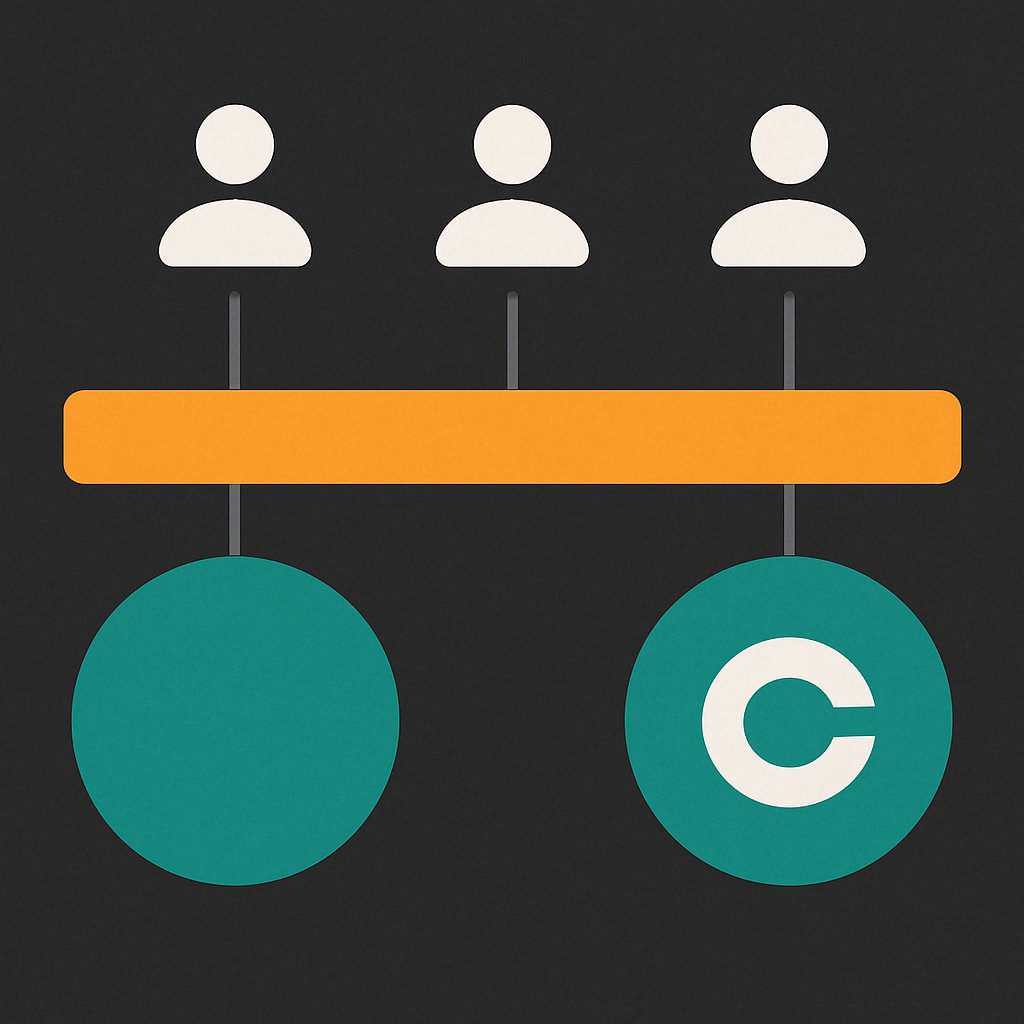
These announcements differ from typical 2025 AI announcements because they offer concrete product boundaries rather than marketing hype. Stripe Machine Payments provides a concrete payment protocol for machine-to-machine transactions at the HTTP layer, with explicit attention to wallets, request-level verification, and stable settlement semantics. Similarly, Coinbase Agentic Wallets address fundamental agent identity and wallet challenges.
The missing piece is function-level billing — the layer that determines pricing for individual tools.
Stripe Machine Payments: Scope and Limitations
Stripe’s offering standardizes payment intent through the x402 protocol, establishing request-time authorization and funding verification. However, it remains request-centric and doesn’t distinguish between LLM completions, email actions, or custom tool calls. The protocol layer provides primitives for confirming payments occurred and identifying who paid, intentionally leaving pricing policy and tool semantics to product teams.
Coinbase Agentic Wallets: Progress and Gaps
Coinbase’s solution addresses custody, identity, and signing for autonomous agents through a shared balance experience. This represents meaningful progress from earlier agent tooling where each integration reinvented wallet logic and key flows.
The unresolved challenge is intent granularity. Different function calls — some cheap and frequent, others expensive but rare — require different pricing policies. A single wallet policy cannot equally serve diverse tool costs.
ATXP’s Position in the Stack
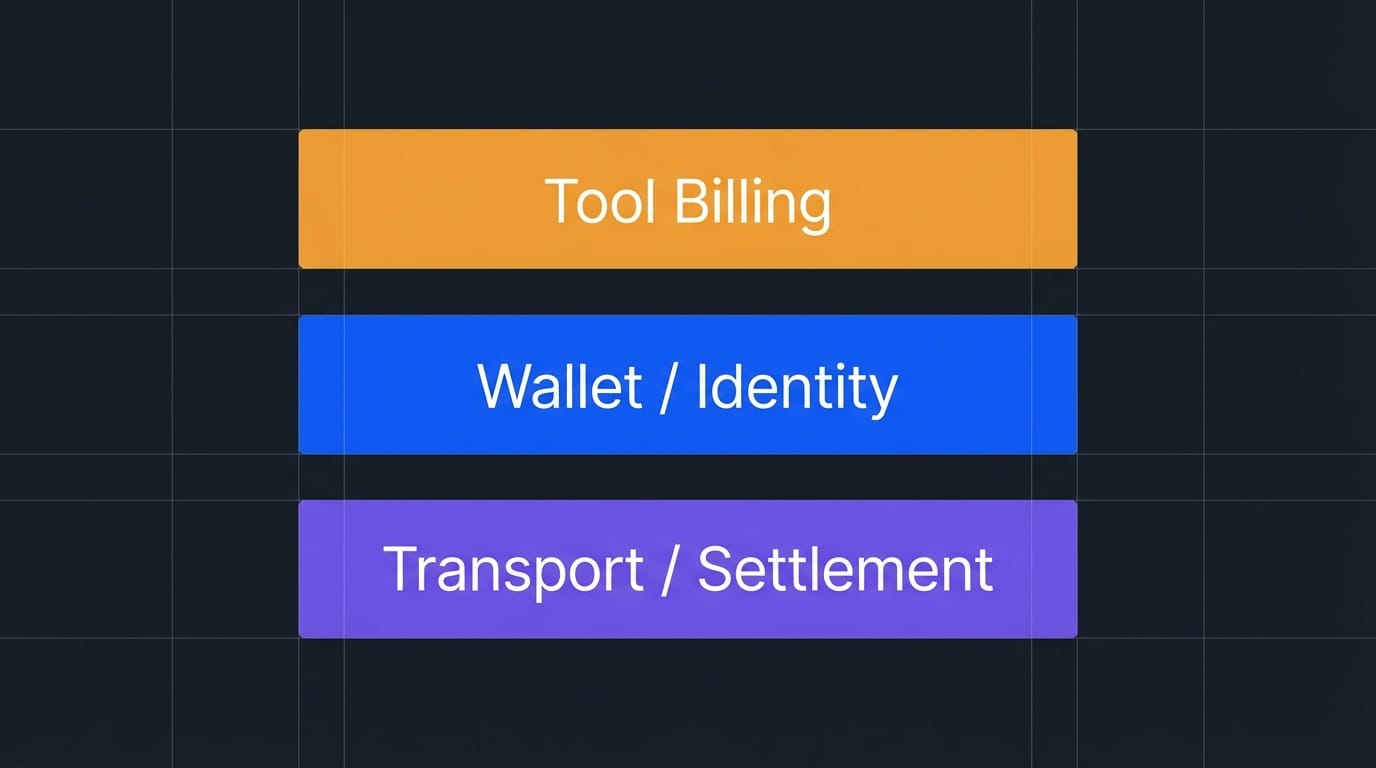
ATXP positions itself as a function-level billing layer above transport and wallet primitives. It enables:
- Per-tool payments for MCP tool execution
- Published cost models per function with minimal platform coupling
- Usage controls and spending caps at application level
- Machine-readable tool pricing for improved composability
Implementation Guidance
Builders should prioritize layer boundaries:
- x402 for request-level HTTP authentication and settlement
- AP2 for agent-to-agent permissions and capability exchange
- ATXP when tool pricing constitutes part of function contracts
These layers complement rather than compete with one another.
Timeline Urgency
The opportunity exists now because production stacks are being chosen currently. Early adoption shapes defaults and developer onboarding practices before standards solidify.
The practical path forward: define paid tool metadata immediately, integrate function-level billing infrastructure, and allow wallet and settlement options to evolve beneath it.
Machine payments are financial transactions initiated autonomously by software agents — without human approval at the moment of purchase. Unlike human-initiated payments, machine payments require infrastructure designed for non-human actors: request-level authorization, function-level pricing policies, agent identity verification, and spending controls that enforce limits without human oversight in the loop.
npx atxpAdd the function-level billing layer your agent payments stack is missing — per-tool pricing, spending caps, and usage controls. Every agent payment protocol compared → · How to monetize your MCP server →
Frequently asked questions
What is Stripe Machine Payments?
Stripe Machine Payments is a payment protocol for machine-to-machine transactions at the HTTP layer. It uses the x402 protocol to standardize payment intent, providing request-time authorization, funding verification, and stable settlement semantics for agent-initiated payments.
What are Coinbase Agentic Wallets?
Coinbase Agentic Wallets address custody, identity, and signing for autonomous agents through a shared balance experience. They solve the problem of each integration reinventing wallet logic and key flows for agent transactions.
What is the gap that neither Stripe nor Coinbase addresses?
Function-level billing — the layer where individual tool calls are priced and authorized. Stripe’s protocol is request-centric and doesn’t distinguish between different types of function calls. Coinbase wallets can’t apply different pricing policies for cheap frequent calls versus expensive rare ones.
How does ATXP fit into the agent payments stack?
ATXP sits as a function-level billing layer above transport and wallet primitives. It enables per-tool payments for MCP tool execution, published cost models per function, usage controls and spending caps, and machine-readable tool pricing — filling the gap Stripe and Coinbase leave.
Do x402, AP2, and ATXP compete with each other?
No. They address separate concerns at different layers: x402 for request-level HTTP authentication and settlement, AP2 for agent-to-agent permissions and capability exchange, and ATXP for tool pricing as part of function contracts. Use whichever layers your stack requires.
Why does the function-level billing gap matter now?
Production stacks are being chosen right now. Early adoption shapes defaults and developer onboarding practices before standards solidify. The practical path is to define paid tool metadata immediately and let wallet and settlement options evolve beneath it.
FAQ
Does ATXP require x402? No. ATXP works with existing stable wallet and payment infrastructure for your stack.
Does this replace Coinbase wallets? No. These address separate concerns — walleting versus usage authorization and cost policy.
Does ATXP work beyond MCP? Yes, where tool discovery and execution support function calls with pricing metadata.
Must existing tools migrate? Add pricing hooks at integration boundaries first; most teams pilot without rewriting core logic.